


Ausmed is a Trusted Information Partner of Healthdirect Australia. Verify here.


© 2026 Ausmed Pty Ltd (ABN: 33 107 354 441)
For L&D leads at registered NDIS providers with 150 staff or more: automate the compliance floor so your time goes to the development work that changes practice.
Book a walkthrough
How fast a new support worker becomes someone the roster can rely on.

Everything the organisation must do, done, without it consuming the whole function.

Keeping material accurate as the NDIS rules move, without rewriting it yourself.

A shared definition of what good looks like at each level, in language managers will use.

Showing the spend produced something, in a sector where margins are tightening.

Getting a dispersed, part-time, shift-based workforce to do the learning at all.
Requirements assigned automatically, deadlines that stagger by completion anniversary, and reminder emails to the worker as things open, fall due and go overdue. What is left for a human is one filtered list in the Compliance Workroom and a bulk reminder.
Training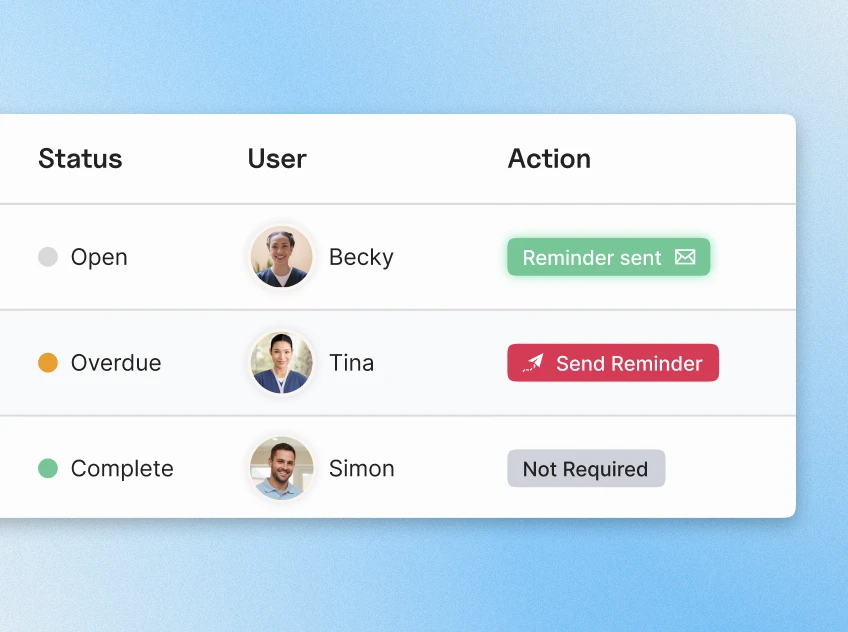
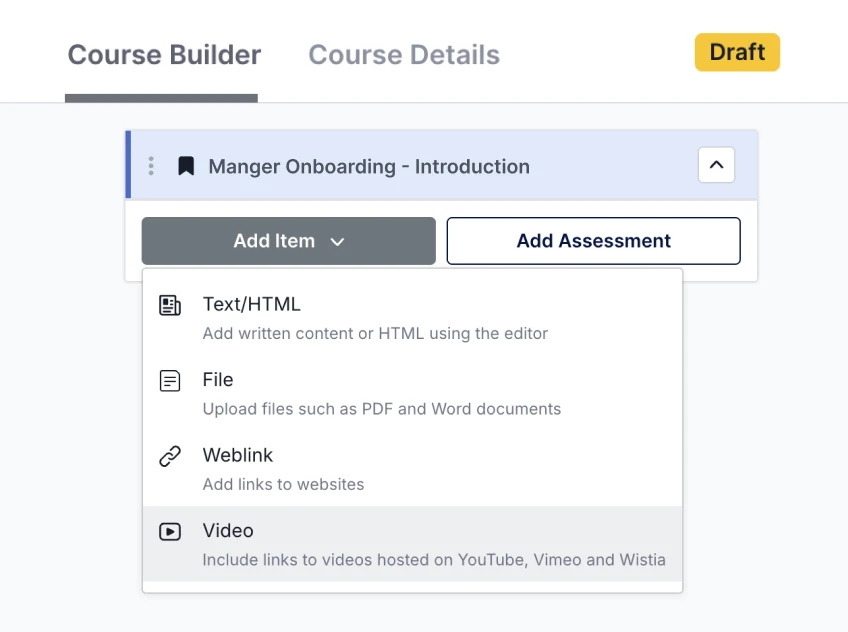
Course Builder assembles multi-unit courses from articles, videos, files and assessments. Capability Frameworks let you define your organisation's own capabilities and tag learning, policies and competencies against them, so you can report on your framework rather than only on ours. Your own policies and procedures can be injected around Ausmed modules rather than rebuilt inside them.
Chief Operating Officer
A conversation about where your hours go, and where Ausmed slots in.
Yes. Your own documents, videos and SCORM packages are assigned through the same plans as Library content, so you aren't choosing between your material and ours.
It is written and maintained in Australia under Ausmed's T.R.U.S.T.E.D. governance framework and updated centrally when requirements change. You don't reissue it; it updates in place.
Library content is written in plain English with translated subtitles, and most modules run between two and thirty minutes, which does more for a diverse workforce than length ever does.
Ausmed is a Trusted Information Partner of Healthdirect Australia. Verify here.