

Ausmed is a Trusted Information Partner of Healthdirect Australia. Verify here.


© 2026 Ausmed Pty Ltd (ABN: 33 107 354 441)
Assign, track and evidence training across every house, every service stream and every participant, with a system that already knows who your workers are and what the Practice Standards ask of them.
Book a walkthroughNone of these are failures of effort. They are what happens when the thing holding your training together is a spreadsheet, a service manager's memory or a reminder somebody has to send.

The mapping of role to required training lives in a spreadsheet, and the person who built it has left. It is edited when someone notices, which is not the same as when it changes.

What this house needs and what this participant needs is held by the service manager who has been there longest. It is real knowledge, it is just not written down anywhere you could audit.

Annual training set to one fixed calendar date means 1,500 people are retrained in the same two weeks, every year, forever.

The workers most likely to be unfamiliar with a house are the least likely to be enrolled in anything, because they were brought on for a shift and onboarding never reached them.

A completion records that someone clicked through a module. The standard asks you to evaluate whether the training worked, and completion data cannot answer that.

Open a new SIL house or take on a new participant and the training requirements are worked out fresh, by hand, by whoever is closest to it.
Learning and development lead, NDIS provider
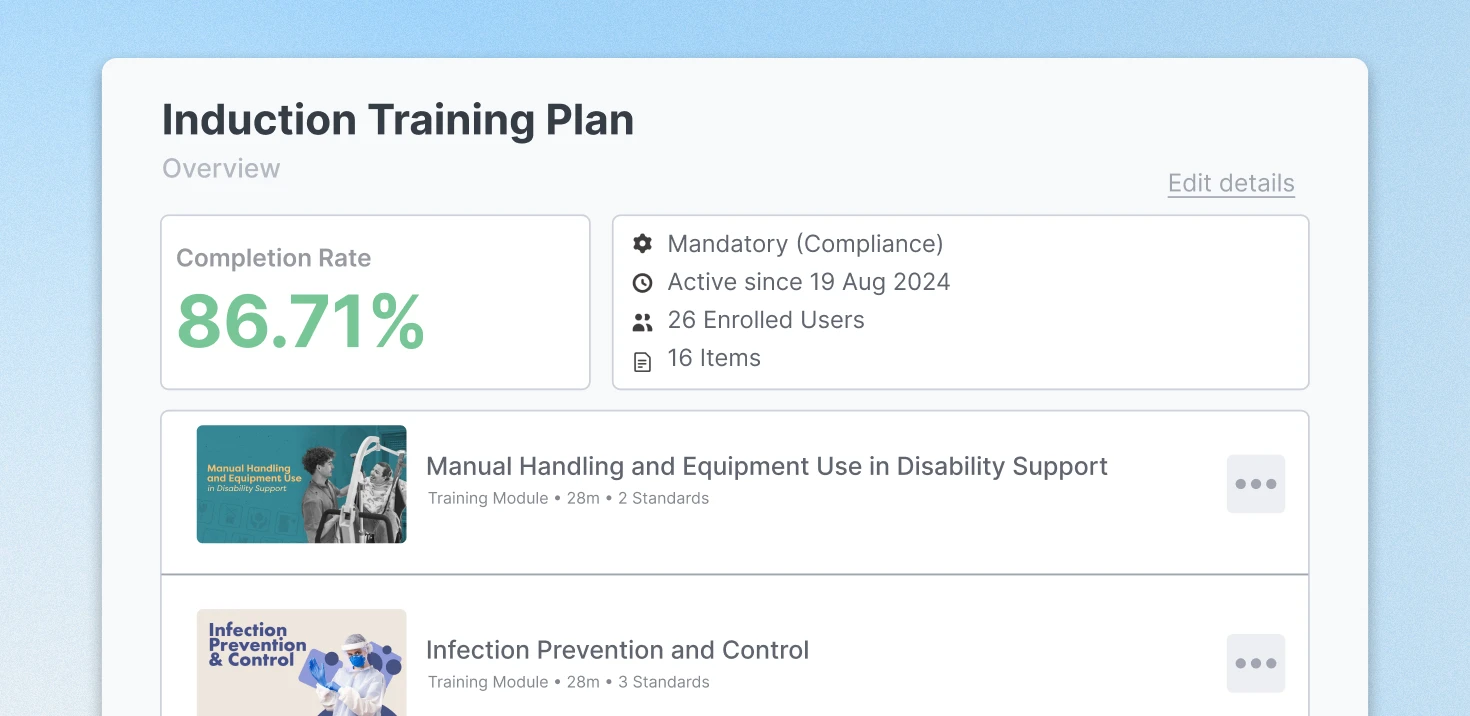
The Disability Care Library is written and maintained in Australia under Ausmed's T.R.U.S.T.E.D. governance framework and updated centrally when requirements change, so a standard moving is not a rewriting project for your team.
See the Disability Care Library
Whatever a person’s scope of work, Ausmed Learn™ unlocks a pathway that belongs to them rather than to a catalogue they have to search. For a workforce spanning support workers, team leaders, allied health and coordinators, that is the difference between training being needed and training being put into practice.
Knowledge Verification lets experienced staff demonstrate what they already know and skip the training they do not need, then reports the time it saved. In a sector that recruits heavily from other providers and runs a large casual pool, that is a meaningful amount of paid time handed back.
How Knowledge Verification works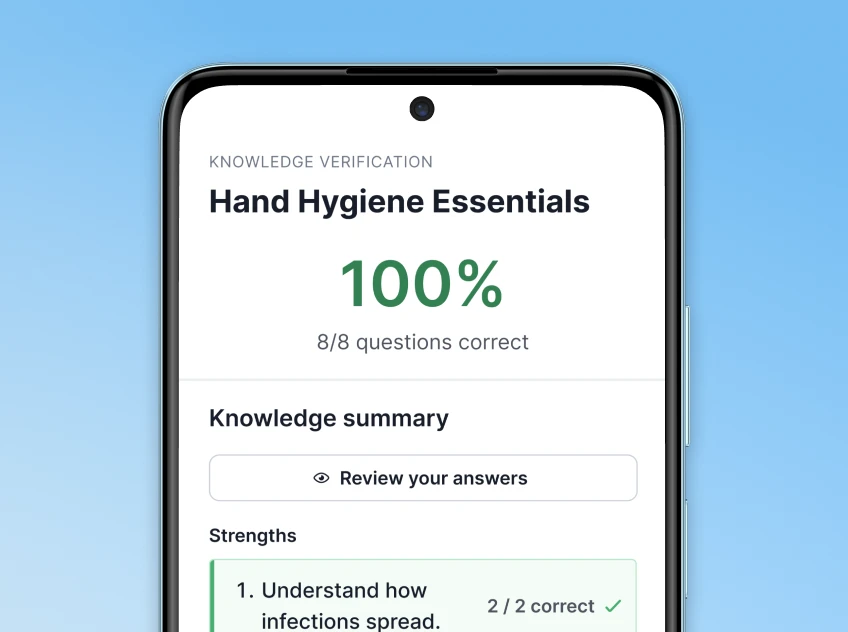
Workers, roles and groupings arrive from the system that already holds them, so a new starter is enrolled because they were hired rather than because somebody remembered. A worker who changes house or role has their requirements change with them.
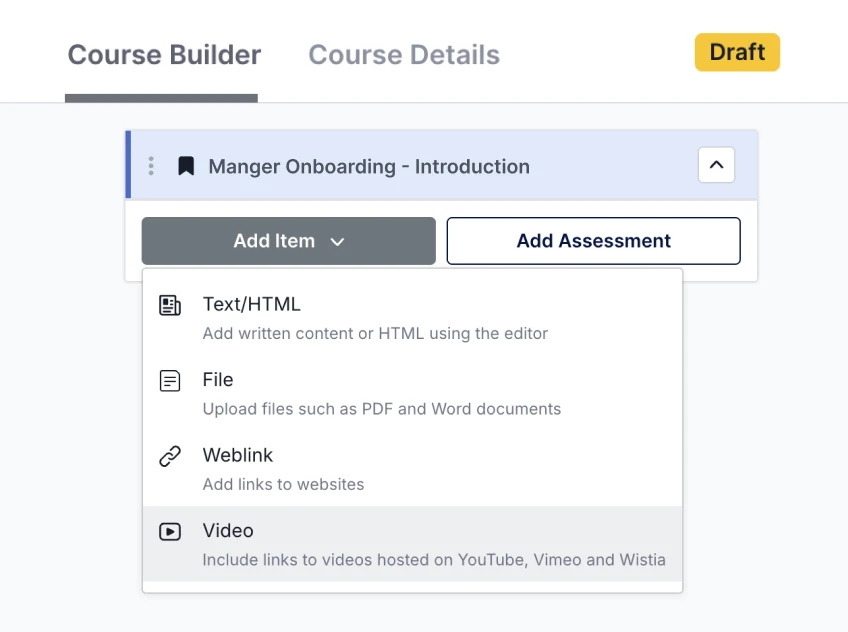
A house induction, a participant’s mealtime management protocol, a change to a behaviour support plan. Build it in the course builder or bring it in as SCORM, then assign it with the same rules, track it in the same place and report on it in the same export as everything else.
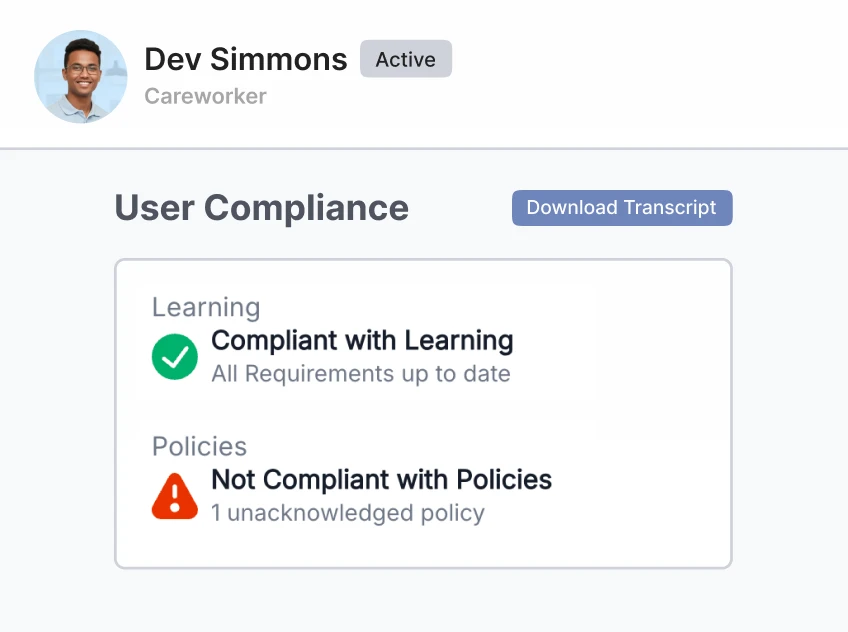
The Compliance Workroom shows what is missed, overdue, open and opening in the next 30 days. Chasing becomes a filtered list and a bulk reminder, which is what makes it survivable across forty houses rather than four.
Generate reports for auditors and for internal accountability without assembling them by hand. The mapping from what a worker completed to the outcome it evidences is already made.
Audit preparedness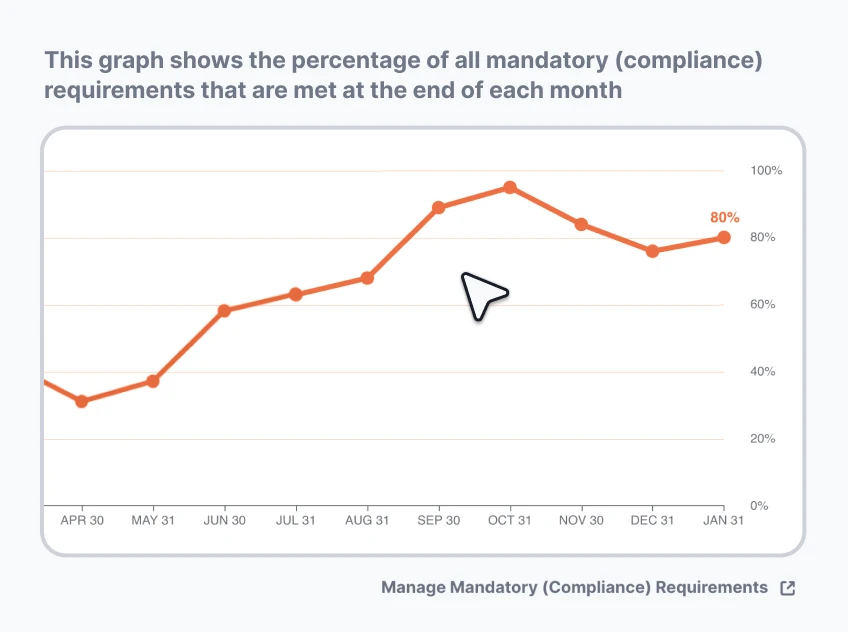
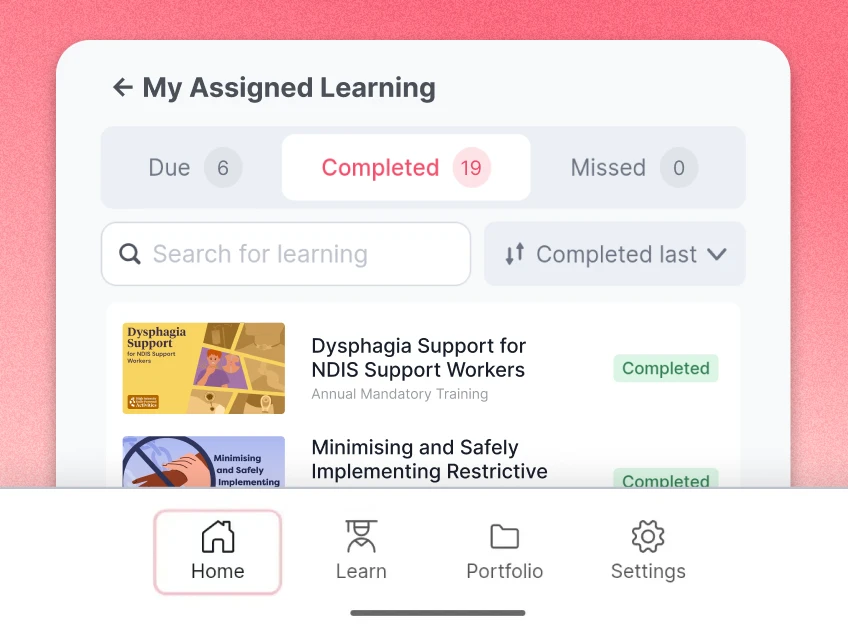
Support workers are in houses, in cars and in the community. Training that assumes a login at a workstation gets done late or gets done badly. The Ausmed app puts the requirement where the worker already is.
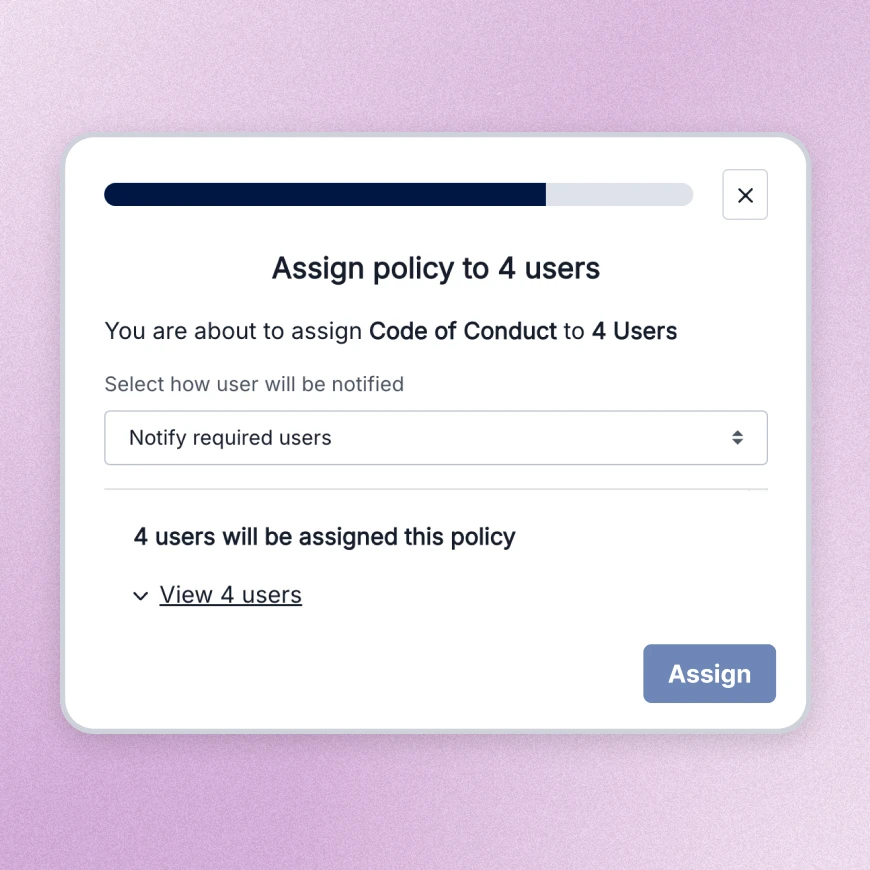
A reportable incident, an audit finding, a change in a participant's behaviour support plan. Push a targeted requirement to the affected team, house or individuals, with a short deadline, and report on completion the same week.
This is the layer that closes a corrective action properly: a dated requirement, assigned to named people, with evidence it was met.
General. New workers are auto-enrolled into their induction plan by job role, team and location, and can't be rostered to a shift until the mandatory items are done.
General. Refreshers reissue on each worker's own completion anniversary, so you aren't retraining 1,500 people in the same fortnight.
Specific - supports. The house is its own grouping, so its enrolment rules apply on allocation. Mealtime management, medication and overnight practice are assigned because of where the worker is rostered, before any individual participant comes into it.
Specific - participant. One person's high intensity needs pull in the HIDPA content, the competency assessment and the supervision that go with them, mapped to the High Intensity Support Skills Descriptors, plus that person's own protocols and preferences.
Specific - needs basis. A targeted requirement pushed to the affected team in hours, with a short deadline and completion reporting the same week.
Specific and General. Bulk-import the workforce, apply your general plans, then layer the houses and supports they are being allocated to.

Workers, roles and groupings arrive from the system that already holds them.

By job role, house and service stream, without anyone maintaining a matrix.

Dated and attributed against the worker, ready to report against a standard.

Verified capability, so allocation respects what a worker is cleared for.
 NDIS Practice Standards · Core Module
"Each participant's support needs are met by workers who are competent in relation to their role, hold relevant qualifications, and who have relevant expertise and experience to provide person-centred support."
The indicator beneath it names five verbs.
"A system to identify, plan, facilitate, record and evaluate the effectiveness of training and education for workers is in place to ensure that workers meet the needs of each participant."
A system, not a spreadsheet.
What the role requires, and what this support, this participant and this week's incident require on top of it. The first is a job matrix. The second is where most systems stop.
Training Plans auto-enrol by job role, team, location and grouping, so the plan exists before anyone thinks to build it.
Ausmed Library content, your own material via Course Builder, and SCORM packages you already own, delivered on the device the worker has in their hand.
Completion, date, version and expiry against the worker, held in the capability profile rather than in a report someone has to run.
The hardest verb, and the one auditors press on. Knowledge Verification tests what a worker already knows before training rather than after it, and competency assessment puts the skill in front of an assessor in the setting where it is used. A completion tick evaluates nothing.
A SIL provider is assessed against the Core Module, plus whichever supplementary modules its registration groups bring into scope. For providers delivering high intensity daily personal activities that includes the High Intensity Daily Personal Activities module. Content and reporting cover both of those, so evidence for the participant-specific tier comes out of the same system as everything else.
Audit preparednessBring one house and one high intensity support, and we'll show you what it looks like running in Ausmed on top of what you already have.
Each SIL house is set up as its own grouping in Ausmed Learn™, and enrolment rules attach to the grouping rather than to individual workers. When a worker is allocated to that house they are enrolled into what the house requires; when they move on, the requirement closes. You maintain one rule set per house rather than a plan per worker. What the individual residents require of that worker is assigned separately, as participant-specific training.
There is no single national mandatory list. Requirements come from the NDIS Practice Standards and Code of Conduct, your registration groups, your WHS obligations and your own policies. Providers delivering high intensity daily personal activities carry additional requirements under the HIDPA module.
They receive the requirements of every grouping they are allocated to, deduplicated, so a module required by two houses is assigned once and satisfies both. That is also how the roster knows which houses they are actually cleared for.
Yes. Your own documents, videos and SCORM packages are assigned through the same plans as Library content, which matters most for the specific tier - a participant's protocol or a house's procedure is usually yours, not ours.
Ausmed is a Trusted Information Partner of Healthdirect Australia. Verify here.