


Ausmed is a Trusted Information Partner of Healthdirect Australia. Verify here.


© 2026 Ausmed Pty Ltd (ABN: 33 107 354 441)
For private hospital groups and independent private hospitals. Ausmed runs mandatory training by rule, records juniors' sign-offs on the unit and keeps casual staff on the same record as everyone else. A smaller senior team can still bring new clinicians up to standard.
Book a walkthroughPrivate hospitals run on lean margins. Where beds sit empty, newer nurses don't see the acuity they joined for and move on. Experienced clinicians under pressure leave too.
The juniors who replace them carry more of the roster, while the seniors left have less time to teach them. Each gap adds to the pressure that started it.
Ausmed takes the routine work off the senior team. Training plans assign and chase mandatory training by role, and Knowledge Verification pre-tests let experienced staff skip what they already know.
An approved assessor signs juniors off on the unit. The nurse in charge can check who is ready for what before the shift.
In a private group, each hospital often built its own training and reports, and runs them with a small education team. Ausmed sets one program by job role across the group and reports every site from the same record.

Each hospital in the group built its own training, its own competencies and its own reports.
Group-wide training plans in Ausmed Learn™ set one program by job role at every site, and each site adds its own requirements on top.

Someone rebuilds compliance for the group executive, the medical advisory committee and the licensing return in spreadsheets, one export at a time.
Ausmed Analytics™ runs the Board Report and site comparisons from the live record, as PDF or CSV.

Thinner overnight and weekend staffing leans on casual clinicians whose skills nobody has tracked.
Casual and agency staff get their own onboarding plan, and their training and sign-offs sit on the same record as everyone else's.

Clinicians reject overseas modules with out-of-date references, and educators rebuild them.
The Ausmed Library™ has more than 1,000 Hospital and Acute Care resources written for Australian practice, each carrying a review date.

Mandatory training is paid time, and hours spent repeating what staff already know come straight off the floor.
Staff who already know a module can pass its Knowledge Verification pre-test and move on.

An administrator prints, files and keys in the sign-offs, so the system shows the administrator as the assessor.
In Ausmed Competency™ the assessor records the sign-off on the unit, under their own name.
Curriculum developer, clinical education, private hospital
The Ausmed Library™ holds more than 1,000 Hospital and Acute Care resources, mapped to the NSQHS Standards. Ausmed's T.R.U.S.T.E.D. framework governs each one, and each carries a review date.
Acute induction and annual mandatory training plans are ready to assign, and modules have closed captions in eight languages besides English.
Your own procedures and modules sit in the same training plans. Course Builder turns one site's workbook into a course every hospital in the group can assign, so one version replaces the several each site used to keep.
Training Library
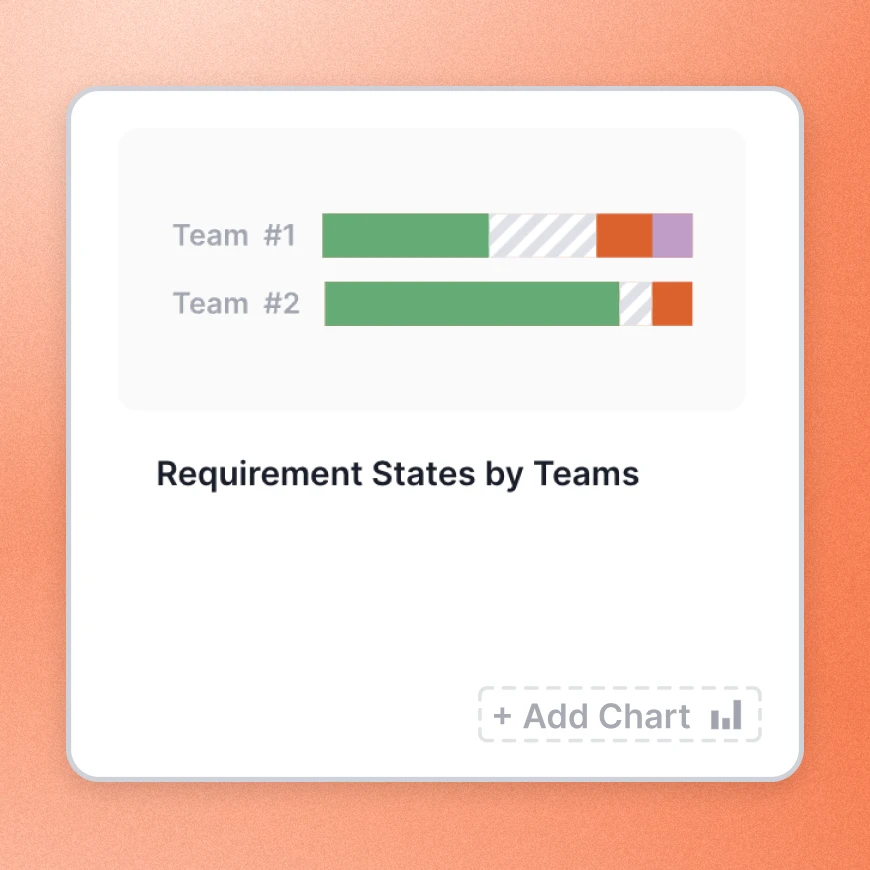
Set the training plans once and assign them by role at every site. Site comparisons then put each hospital side by side, so the group executive sees one report in one shape. Drill into any site by team or role to see where a figure comes from.
The Board Report gives your executive and medical advisory committee compliance quarter on quarter, overdue items by Standard or risk area, and monthly history, exported as PDF or CSV.
Compliance reporting by ward, unit and facilityAusmed exposes competency and training status to your rostering system. The coordinator can't allocate a clinician to a shift that needs a skill they haven't been signed off for, and sees why before they try.
That matters most on nights and weekends, when a thinner roster leans on casual staff and the after-hours coordinator has minutes to decide who to redeploy to which ward.
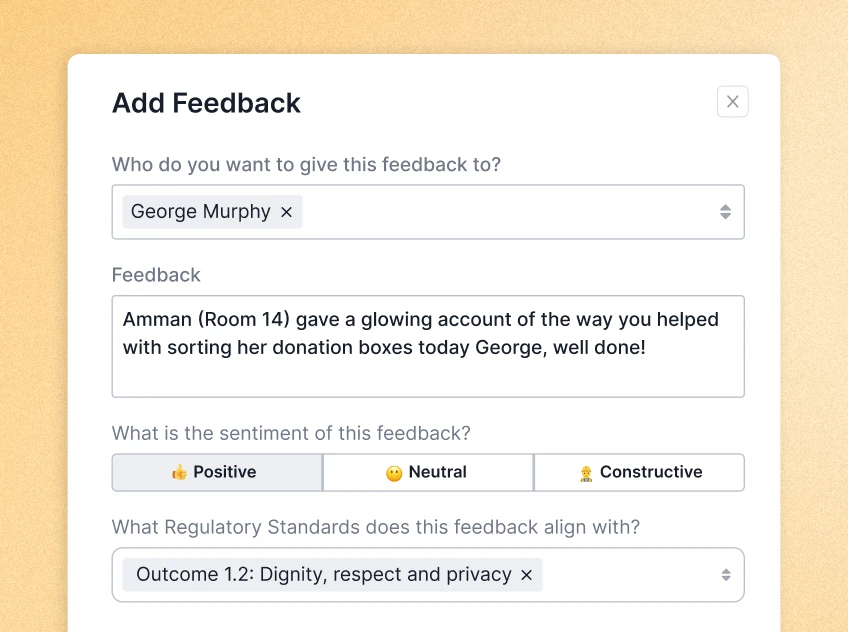
When experienced staff leave, juniors take on more, sooner. In Ausmed Perform™ their manager sends feedback as it happens, positive, neutral or constructive, and can tag it to a Standard.
Probation programs, catch-ups and annual reviews run from shared templates across the group. Each hospital's managers run their own reviews, and the group sees who has had theirs, site by site.
Discover Ausmed Perform™
Assign and chase training by rules, and spend less time repeating what staff already know.
Automation and Efficiency
Record competency as part of safe care, before an incident asks for it.
Quality & Safety
Have workforce evidence ready for a short-notice assessment.
NSQHS Re-accreditation
Answer for Standard 1 and the safety and quality training behind it.
Clinical GovernanceMandatory training, programs and CPD across every unit.
Learning and DevelopmentAssign training plans by role at every site, and escalate reminders to managers.
Ausmed Learn™More than 1,000 Hospital and Acute Care resources mapped to the NSQHS Standards, alongside your own.
Ausmed Library™Run site comparisons, the Board Report and audit reports across the group.
Ausmed Analytics™Bring the site in your group you worry about most, and we'll show you how it would compare with the rest.
No. You assign your own documents, videos and SCORM packages through the same training plans as Library content. Keep what your educators have built and use the Library to fill the gaps.
Yes. Group-wide plans set the floor for every site, and a site can add its own requirements by team or role on top.
Yes, when you set the licensed area up as its own location or team. It then reports on its own, and the whole facility can still report together by NSQHS Standard.
Ausmed Learn™ can give casual and agency staff an onboarding plan of their own, so a casual picks up the training their role needs and appears in the same reports as permanent staff.
Ausmed is a Trusted Information Partner of Healthdirect Australia. Verify here.